The rental property owners we speak to are often understandably concerned about tenant damage to their
investment property. What if the damage is extensive? How can we trust tenants to take care of the home?
Maintaining a
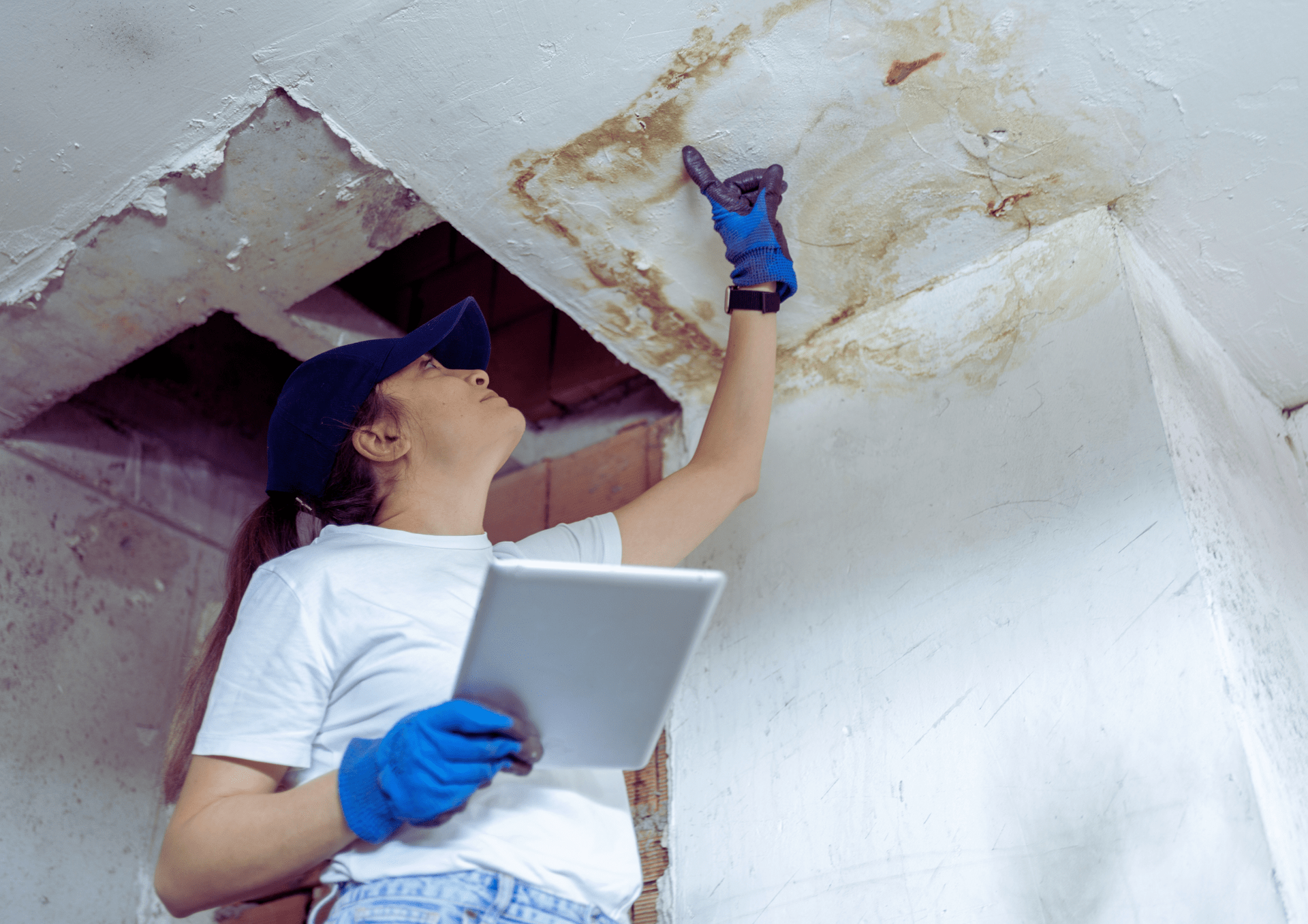
rental property is an important responsibility, so it can be disheartening at the end of a lease term to see that despite all of your attention to maintenance, large holes are left in the walls or window screens are torn or appliances are broken.
A common challenge arises when tenants move out and landlords must assess the unit for potential deductions from the security deposit. The key question becomes: What qualifies as tenant damage versus normal wear and tear?
It’s an important distinction because wear and tear must be paid for by you - the owner.
Tenant damage is the responsibility of the tenant.
To complicate matters, California has introduced new legal requirements that directly affect how landlords handle these situations. Assembly Bill 2801 (AB 2801), effective in 2025, now requires landlords to provide photographic documentation when making deductions from a tenant’s security deposit. Understanding these rules, and how to distinguish normal use from true damage, is essential for legal compliance and maintaining a good landlord-tenant relationship.
Understanding the Difference: Wear and Tear vs. Damage
Normal wear and tear refers to the gradual, expected deterioration of a property resulting from everyday use. Over time, every home will experience some level of wear, no matter how careful the tenant is. Examples include:
- Faded or worn carpeting
- Slight scuffs or marks on walls
- Loose doorknobs or handles
- Minor scratches on hardwood floors
- Faded paint or sunlight discoloration on walls and curtains
These conditions are typically not the tenant’s fault and are part of the landlord’s responsibility to maintain and refresh the property between tenancies. Landlords cannot legally charge a tenant’s security deposit for these types of issues.
Tenant-caused property damage, however, occurs due to neglect, misuse, or intentional actions. It goes beyond what would reasonably occur from normal living and can justify security deposit deductions. Examples include:
- Holes in walls from televisions being mounted
- Deep stains or burns in carpets
- Broken appliances or fixtures due to improper use
- Missing smoke detectors or light fixtures
- Unauthorized painting or wallpapering
If damage like this is present when a tenant moves out, landlords have the right to use the
security deposit to cover repairs, provided they comply with all legal requirements, including proper documentation.
California’s New Law: Assembly Bill 2801
Effective April 1, 2025, California’s AB 2801 introduces new requirements for landlords who plan to make any deductions from a tenant’s security deposit. The primary goal of the law is to promote transparency and fairness. Here’s what landlords need to know:
- Photo Documentation Is Now Mandatory
Starting in April 2025, landlords must provide photographic evidence to justify any deductions made for cleaning or repairs. These photos must be time-stamped and organized into three categories:
- Move-Out Condition Photos
Taken immediately after the tenant vacates the unit but before any repairs are made. These serve as baseline evidence of the unit's condition. - Post-Repair or Cleaning Photos
Taken after repairs or cleaning have been completed, showing that the work was done and the cost was justified. - Move-In Photos (for new tenancies)
Starting July 1, 2025, landlords must also take photographs of the property’s condition at the beginning of each new tenancy. This documentation will help both parties understand the original condition of the unit.
- Delivery of Documentation
Landlords must provide the photographic documentation along with the itemized deduction statement within 21 days of the tenant vacating the property. This can be delivered by:
- Mail
- Email
- Portable storage (e.g., USB drive)
- Access to an online portal
Failure to provide this documentation may result in forfeiting your legal right to retain any portion of the security deposit.
If a landlord knowingly fails to comply with AB 2801 in bad faith, such as by withholding documentation or falsifying information, they may be subject to legal penalties and could lose the right to retain any part of the deposit.
Best Practices for Carlsbad Landlords
Navigating tenant damage and understanding wear and tear during the move-out process doesn’t have to be stressful. With proper preparation, landlords can remain compliant while
protecting their investments. Here are a few best practices:
- Conduct Detailed Move-In and Move-Out Inspections
Make it a standard practice to walk through the unit at both the start and end of the lease. Use a checklist that documents the condition of floors, walls, appliances, and fixtures. Pair this with high-resolution, time-stamped photographs for added protection.
- Use Written and Photo Documentation Together
Don’t rely solely on visual proof. Maintain written records that correspond with each photograph. For example, if you photograph a broken cabinet, note the date, time, and exact issue in writing.
- Keep Repair Receipts and Invoices
If you hire a professional cleaner or contractor to fix damage, retain all receipts and service agreements. These documents support your repair claims and reinforce the legitimacy of your deductions.
- Schedule a Pre-Move-Out Inspection
California law gives tenants the right to
request an inspection before moving out. This allows them a chance to correct any damage and potentially avoid deductions. Encourage this process to maintain transparency and reduce disputes.
Rental laws in California evolve frequently. Stay connected to local landlord associations or
property management networks for updates. Attending workshops or subscribing to legal newsletters can also help you remain informed.
Carlsbad landlords must be meticulous about documenting property conditions and justifying deductions.